Satya Nadella Says AI Agents Will Reconfigure the Internet Economy
Microsoft CEO said at the DealBook Summit that the rise of autonomous agents will transform models based on advertising and human traffic
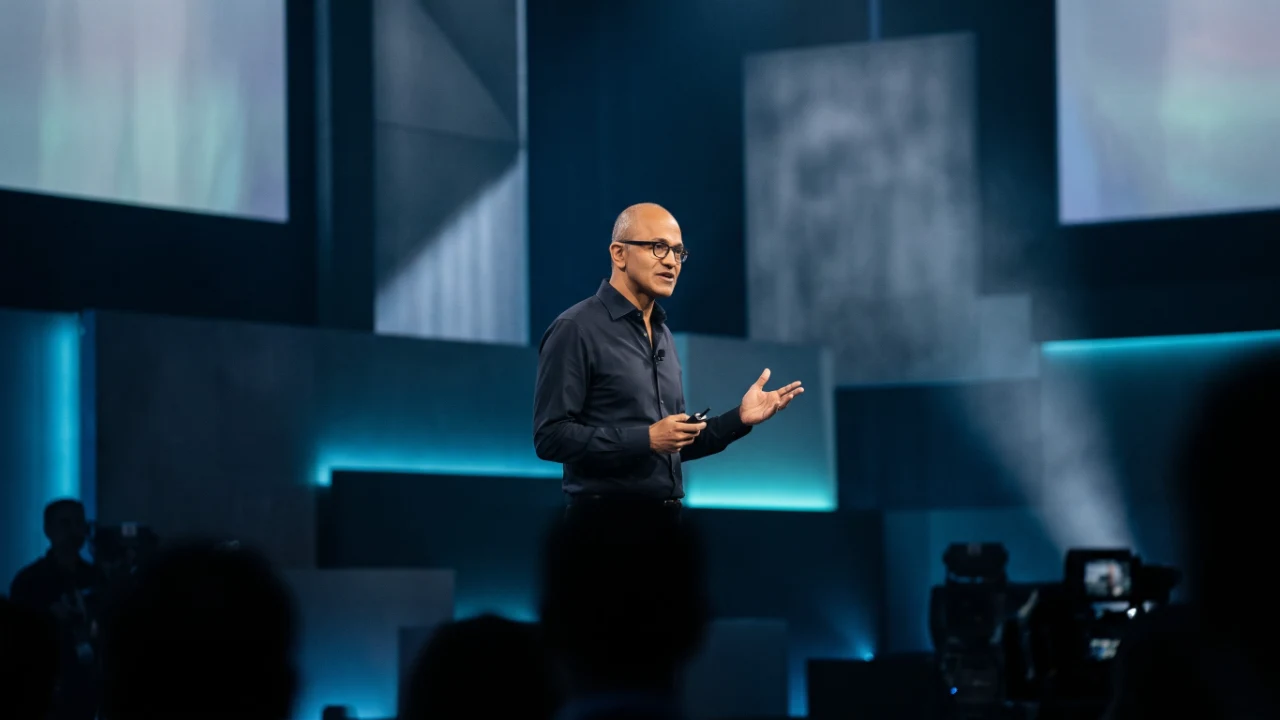
Agentic Economy Landscape
- Satya Nadella noted that the transition to autonomous agents will change the logic of traffic and transactions on the internet
- Platforms that block agents risk losing ground to more flexible competitors such as Shopify
- Monetization based purely on view-based advertising should shift to transactional or cost-per-click models
The rise of artificial intelligence agents is about to profoundly transform the internet economy and corporate business models. The assessment was made by Satya Nadella, Microsoft CEO, during his participation in the DealBook Summit hosted by The New York Times on Wednesday (18).
For the executive, the transition to a web centered on autonomous agents will change which companies pay each other for traffic and transactions. He compares the shift to the historical replacement of internet portals such as Yahoo by search engines such as Google.
Impact on aggregators and advertising
According to Nadella, traditional platforms that structured their businesses around traffic generated by humans will face an inevitable reconfiguration. Monetization based on ad impressions and view volume will give way to formats more oriented toward transactions or direct cost-per-click metrics.
The executive stressed that companies that reject integration with autonomous agents will lose ground to competitors willing to adopt them. As an example, he mentioned Amazon's stance, which has been blocking AI agents in its retail catalog, opening space for rival platforms such as Shopify to capture competitive advantage by allowing access.
Challenges for legacy models
The resistance of major players to opening their ecosystems to AI agents reflects the fear of cannibalizing traditional revenue structures. However, Nadella argues that adapting to this new software layer will be inevitable for companies' commercial survival in the digital environment.
The shift requires a review of customer acquisition and content distribution strategies. With autonomous systems negotiating and making purchases directly on behalf of users, digital visibility will depend on the ability to integrate technically with these assistants, rather than solely on visual appeal to the end consumer.
Practical Impact
The transition to the agentic economy requires platforms and retailers to restructure their APIs and access policies to interact with autonomous systems. From an architectural standpoint, companies will need to migrate from interfaces designed exclusively for humans to efficient programmatic ecosystems.
In the market, the movement pressures companies to abandon business models based on proprietary traffic barriers. Those that maintain rigid restrictions risk being disintermediated by platforms that facilitate the direct operation of AI agents in consumer transactions.